“The staff and owner of Intellibright are extremely smart and helpful. They have made this process so easy for me as a business owner. I would recommend them to anyone who finally wants to get a handle on all their digital marketing platforms.”


A patient considering veneers, dental implants or other procedures has many ways to search for a dental practice. They can search Google, browse Maps, read reviews or ask friends for recommendations. With AI search optimization for dentists, they can also ask an AI assistant a question such as, “Who are the best cosmetic dentists near me?” or “Where should I go for veneers in Austin?” That last question changes the discovery process. The patient isn’t looking for a national dental brand. They’re looking for a practice they can actually visit in their community, with the services, reputation and credentials that fit what they need. AI search is now another layer in that local research process. Search Engine Land’s 2026 analysis of 14,472 AI citations across 1,487 local queries found that business websites accounted for nearly 60% of Gemini’s citations in local search. For dental practices, the opportunity is not simply to “do AI SEO.” It’s to make your practice easier for AI systems to identify, verify and recommend when someone in your area is researching a high-value service. Here’s how patients are using Artificial Intelligence to find local dental practices and what can help you earn that recommendation.
Imagine someone in Dallas is considering veneers. Instead of starting with a Google search for “cosmetic dentist Dallas,” they might ask an AI assistant: “Who are the best dentists for veneers near Dallas?” They might follow with: “Which of these practices specializes in cosmetic dentistry?” Then: “What do patients say about each one?” That’s different from a traditional local search. Google returns a map, listings and organic results that the patient evaluates individually. An AI assistant can synthesize information from multiple sources and present a smaller set of recommendations with explanations. Search Engine Land’s 2025 examination of ChatGPT’s local-search behavior found that ChatGPT uses web information and search indices while applying its own approach to organizing local results. That distinction matters for a dental practice. A patient researching an implant provider, for instance, isn’t evaluating only whether your practice appears for “dentist near me.” They’re trying to establish whether you perform the specific service, whether you’re actually nearby and whether other people have had experiences worth considering. Reviews are an important part of that research. The American Dental Association (ADA) notes that prospective patients use online reviews to evaluate healthcare providers, including dentists, and recommends that practices consistently monitor their presence on major review sites. AI doesn’t eliminate those traditional trust signals. Instead, it changes how information from those signals are assembled into an answer.
Start with the basics. Your practice name, address, phone number, hours and other core information should be consistent wherever patients and search systems encounter it. Then you must get more specific. If implants are an important part of your practice, “cosmetic dentistry” is not enough. Your website should have a dedicated implant page that clearly explains the service in patient-friendly language. The same approach applies to veneers and other services you want prospective patients to find. Location matters, too. A practice in Plano should not rely on a generic “serving the Dallas area” statement if its actual location and service area can be explained more precisely. This information gives AI systems several facts to connect: who you are, where you are and what you do. Search Engine Journal’s 2026 coverage of local AI visibility emphasizes the importance of accurate business details, including name, address, phone number, hours and other information that helps AI systems understand a local business. The practical point is simple: don’t make an AI system guess that your practice offers implants because your homepage happens to mention them.
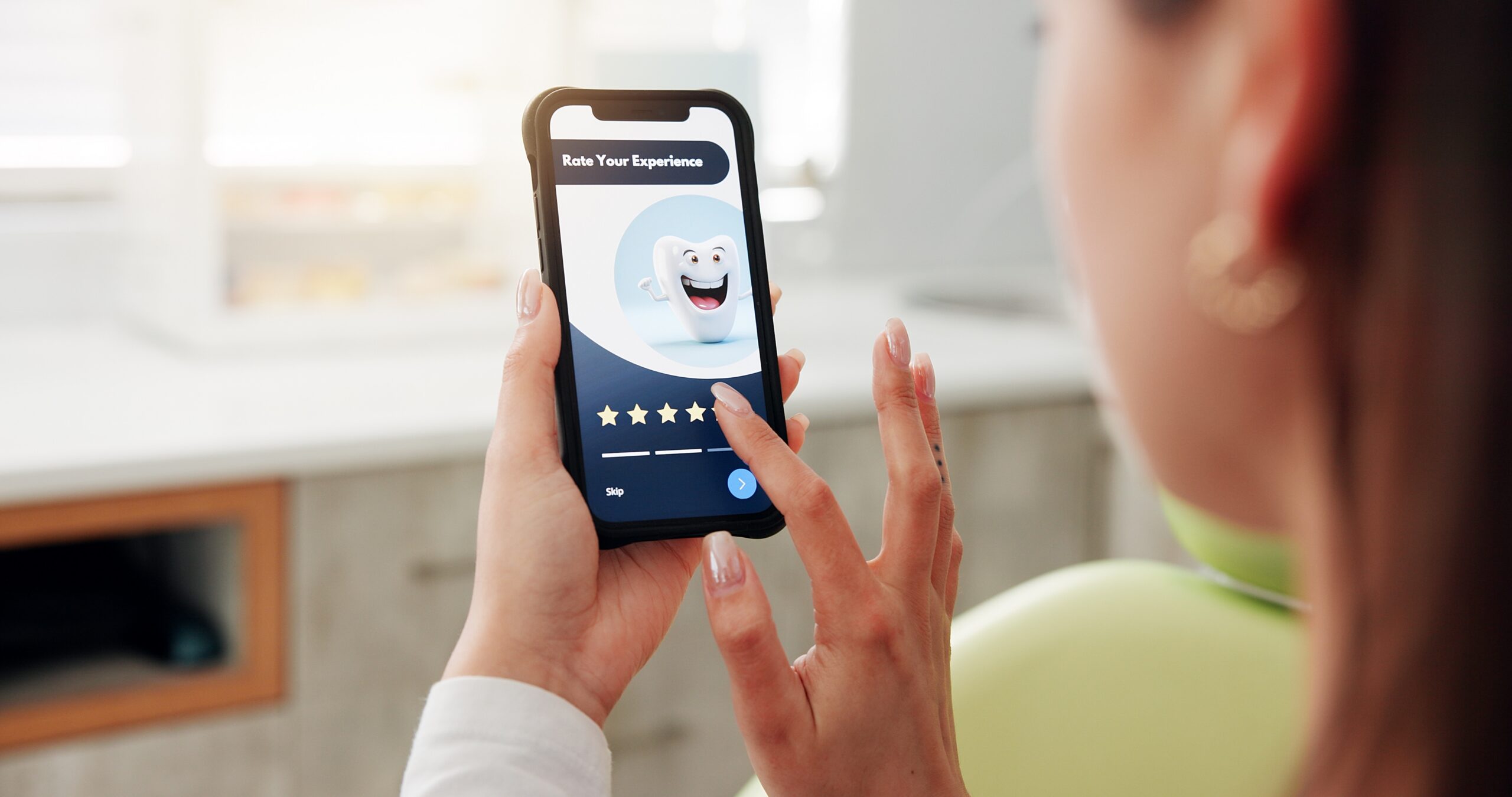
Image 2 A four-star or five-star review average tells only part of the story. The written review tells a prospective patient what the experience was actually like. It may mention the practice’s communication, the staff, the consultation experience or other details that help someone decide whether the practice feels like a fit. The ADA reports that 88% of surveyed dentists had received online patient reviews, making reviews an established part of dental practice reputation management. Current local consumer research reinforces the importance of review details. BrightLocal’s 2025 survey found that consumers were paying attention to written details, with long, detailed reviews and reviews containing photos or videos gaining importance in their research. For a dental practice, that means the objective shouldn’t be to collect generic praise. Encourage patients to share honest feedback about their experience, while following applicable laws, professional rules and platform policies. Also remember that responding to reviews requires special care in healthcare. A patient’s public comment does not give a practice permission to confirm private information or discuss treatment details publicly. The ADA specifically warns that HIPAA and state privacy laws affect how dentists should respond.
A page explaining “What are veneers?” isn’t necessarily enough to distinguish your practice. Thousands of dental websites answer that question. However, useful content gives patients a reason to consider your practice in your area. That content could include detailed answers to questions your consultation team hears regularly, explanations of what patients should consider when comparing treatment options or information about what to expect when they contact your office. You can also create procedure-specific FAQs rather than putting every question on a generic FAQ page. For example:
The point isn’t to make clinical promises. It’s to demonstrate that your practice understands the questions prospective patients actually have. That gives AI systems more specific information to draw from and gives prospective patients more useful material when they’re deciding whether to take the next step. Book a Discovery Call
Don’t begin by rewriting all 100 pages of your website. Start with the services that matter most to your growth plan. For a cosmetic dentistry practice, that may mean veneers and implants before routine-cleaning content. Review each priority page from a patient’s perspective. Does the page clearly identify the service? Does it explain who the service is for without making unsupported clinical claims? Does it establish where the practice is located? Does it answer common questions? Is it clear how a prospective patient can request a consultation? Then look at what an AI system could extract from the page. Could it accurately tell someone in your city that your practice offers veneers? Could it distinguish your practice from another dentist with a similar name? Could it identify the relevant location and service without making assumptions? This is where AI search optimization for dentists becomes practical. You’re not trying to optimize every page for every possible AI question. You’re making the pages connected to your most important services clear, specific and easy to verify.
Reviews and original practice content reinforce what your website says about your services. But dentistry requires a higher standard of care where patient information is concerned. Do not publish before-and-after photographs, testimonials or case details simply because they might help visibility. Make sure you have the appropriate patient consent and that the material has gone through your practice’s legal and compliance review before publication. The same caution applies to review responses. The ADA recommends monitoring reviews and responding appropriately while protecting patient privacy. For content, focus on information your practice can genuinely support. Explain your services. Answer common consultation questions. Discuss the factors patients should consider when evaluating their options. If your dentists have credentials or professional affiliations that are relevant to the services you offer, present those facts clearly. A practice that has clear service information, authentic reviews and useful answers gives AI more legitimate information to work with than a website filled with generic claims about being “the premier cosmetic dentist.” Depth gets the recommendations, not hype.
Before you spend months creating new content, find out what AI systems already say about your practice. Run searches such as:
Then run the same searches in more than one AI platform. Record which practices appear, what information is provided about them and which websites or other sources are cited. Don’t treat one search as a definitive ranking. Search Engine Land’s analysis found that repeated AI searches can produce different cited sources and recommendations, which highlights the variability of AI-generated local results. That baseline is more useful than simply asking whether your practice is “visible in AI.” It tells you where you’re visible, for which services and how competitors are being represented. That’s the information you need before deciding whether your next investment should go into service pages, structured data, reviews, local citations or something else.
For cosmetic dentistry, AI search isn’t a national branding exercise. A patient looking for veneers or implants still needs a practice in a place they can get to, with information that gives them enough confidence to schedule a consultation. That makes local relevance the starting point. Your practice needs accurate location and service information, meaningful review coverage and useful content that answers the questions prospective patients actually ask. Those elements support traditional local search while also giving AI systems more information to evaluate when constructing a recommendation. Intellibright’s local AI search optimization approach helps identify where your practice appears in AI-driven local discovery and where competitors have an advantage. The broader AI search optimization services offering connects AI visibility work with the larger search strategy rather than treating it as a separate channel. For a cosmetic dentistry practice, the first question isn’t how much AI search traffic you can generate. It’s whether patients who are asking the right local questions are finding enough information to put your practice on their shortlist. Book a Discovery Call
AI search optimization for dental practices is the process of making a practice’s website, business information, reviews and other online signals easier for AI systems to understand when answering patient questions. For a local practice, that means connecting specific services with the correct practice, location and supporting information.
There’s no single published formula that determines every AI recommendation. AI systems may draw on a practice’s website, business information, reviews and other online sources. Search Engine Land’s 2026 local-search study found that business websites were the leading source of Gemini’s local citations, reinforcing the importance of having clear, authoritative information on your own site.
Measure what reaches the business, not just whether your practice is mentioned. Track AI-referred website visits where attribution is available, consultation requests, qualified leads, show rates and case acceptance. Revenue Analytics can then connect those patient journeys with actual business results rather than treating AI visibility as the end goal.
They’re closely related, but they’re not identical. Local SEO focuses heavily on traditional search visibility, including local rankings and Google Business Profile performance. AI search can synthesize information from multiple sources into a recommendation. Your local SEO foundation still matters, but AI adds another way patients can discover and evaluate your practice.
It can work for either. A single-location practice has a particularly clear local identity: one name, one address, specific services and a defined community to serve. That gives you a focused set of questions to investigate, from “best cosmetic dentist in [city]” to service-specific searches for veneers or implants.